
You’ve tried every eye drop, warm compress, and lid scrub you can find, but your eyelids still feel irritated, crusty, and uncomfortable every morning. That persistent burning sensation and gritty feeling might not be responding to treatment because tiny mites are living in your eyelash follicles.
Demodex blepharitis is a form of eyelid inflammation caused by an overgrowth of microscopic Demodex mites that naturally live on your skin. When these mites multiply beyond normal levels around your eyelashes, they create stubborn symptoms that standard blepharitis treatments often can’t resolve.
See & Be Seen Eyecare offers specialized diagnostic services and therapies to help you identify and manage this persistent condition. Professional blepharitis treatment can provide the targeted approach needed when standard care isn’t working.
What Are Demodex Mites & How They Affect Your Eyes
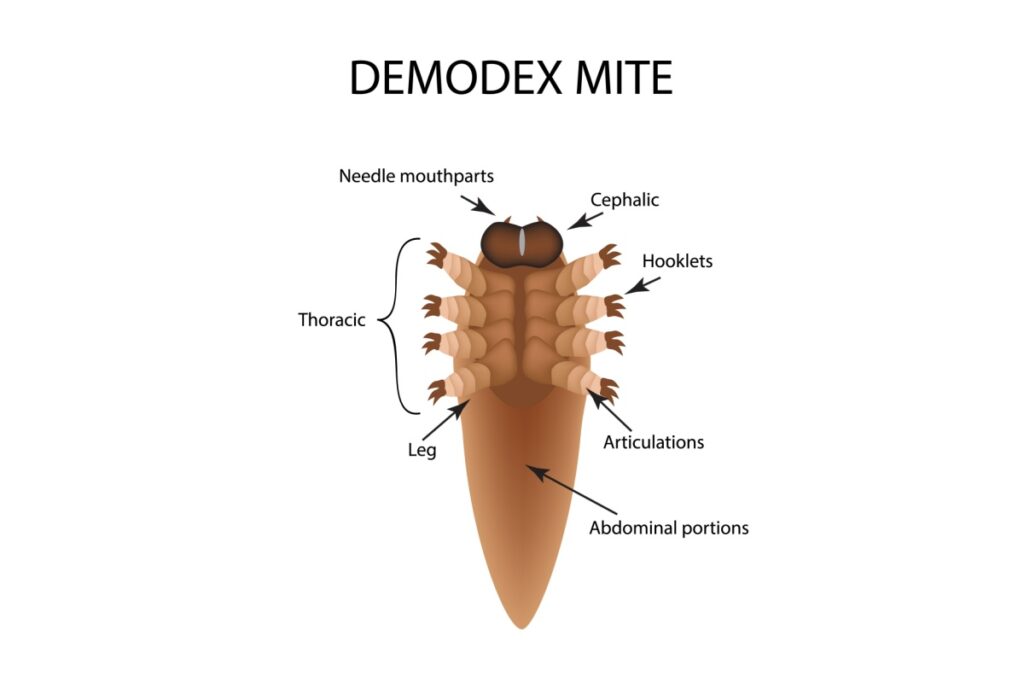
Demodex mites are microscopic creatures that live in hair follicles and oil glands across your skin. You can’t see or feel them, but they’re present on almost every adult’s face as part of the normal skin ecosystem.
Two types affect your eyelids: Demodex folliculorum lives in your eyelash follicles, while Demodex brevis prefers the deeper oil glands in your lids. These mites typically cause no problems when present in small numbers.
Problems arise when mites multiply rapidly, often due to weakened immune function, hormonal changes, or certain skin conditions. Your warm, oily eyelid environment provides an ideal breeding ground. As mite populations explode, they clog follicles, trigger inflammation, and create the persistent symptoms that characterize Demodex blepharitis. Meibomian glands become affected as these mites disrupt normal oil production and tear film stability.
Signs & Symptoms of Demodex Blepharitis
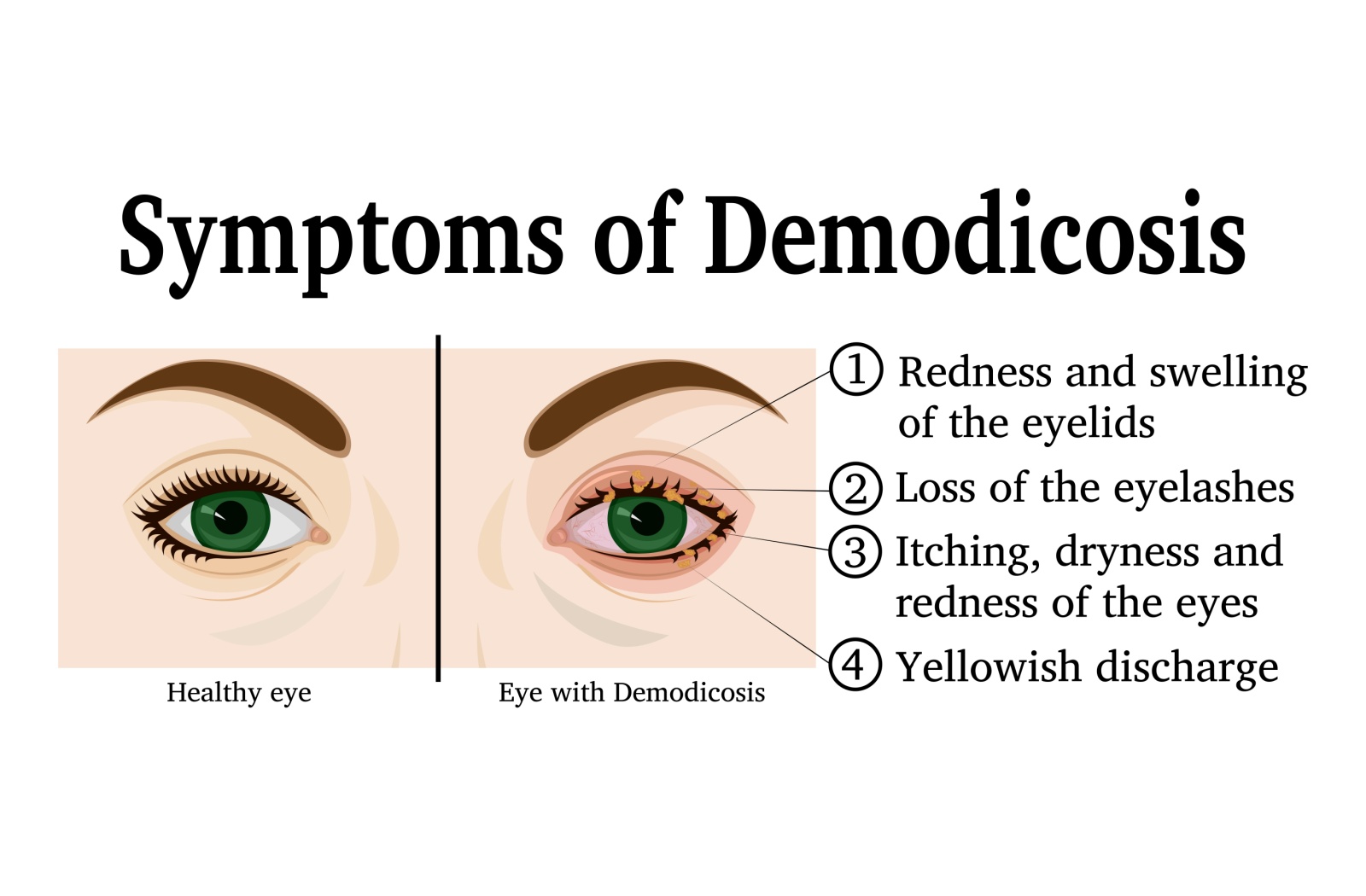
The most telling sign of Demodex blepharitis is cylindrical dandruff — small, tube-like crusts that wrap around the base of your eyelashes like sleeves. This crusty debris looks different from the flaky scales you see with other types of blepharitis.
You’ll likely notice several uncomfortable symptoms:
- Intense itching, especially at night when mites are most active
- Red, inflamed eyelid margins
- Burning or gritty sensation in your eyes
- Thick discharge when you wake up
- Eyelashes that fall out more easily than usual
These symptoms often worsen in the evening and don’t respond well to standard blepharitis treatments. The persistent nature of Demodex blepharitis sets it apart from bacterial or seborrheic forms that typically improve with conventional lid hygiene. Untreated blepharitis can lead to more serious complications, making proper diagnosis important.
How Doctors Diagnose Demodex Blepharitis
Your eye doctor can identify Demodex blepharitis through a comprehensive examination that focuses on your eyelids and lashes. The process starts with discussing your symptoms and reviewing which treatments you’ve already tried.
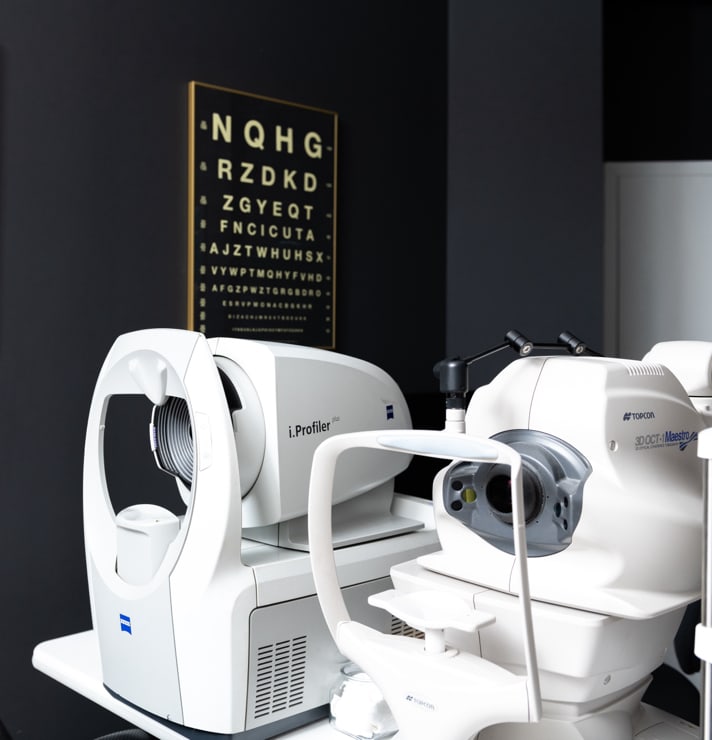
During the exam, the doctor uses a slit lamp microscope to examine your eyelid margins and lash follicles closely. They look for the characteristic cylindrical dandruff and signs of follicle irritation that suggest mite overgrowth. Comprehensive eye exams include specialized testing that can detect this often-overlooked condition.
For definitive diagnosis, the doctor may gently remove a few eyelashes to examine under a microscope. This quick, painless procedure reveals mites and eggs in the follicles. Professional diagnosis matters because Demodex blepharitis requires specific treatments that differ from standard blepharitis care.
Professional Treatment Options for Lasting Relief
Effective Demodex blepharitis treatment targets the mites directly while reducing inflammation in your eyelids. IPL therapy uses intense pulsed light to heat and eliminate mites in follicles while improving oil gland function.
Radiofrequency treatments work similarly, delivering controlled heat to affected areas. These energy-based therapies often provide significant improvement within a few sessions.
BlephEx and similar in-office procedures use specialized instruments to deep-clean your eyelid margins, removing mite debris and eggs that home care can’t reach. Your doctor may also apply professional-strength tea tree oil treatments that eliminate mites on contact.
Prescription medications include topical treatments like metronidazole gel or oral antibiotics such as doxycycline, which have anti-mite properties beyond their antibacterial effects. IPL and RF therapy offers treatment options to address both the mites and associated inflammation.
Take Control of Your Eye Comfort Today
Demodex blepharitis could explain why your eyelid irritation hasn’t responded to standard treatments, but the condition is highly treatable with the right approach. Professional diagnosis helps you receive targeted therapy that addresses the root cause rather than just managing symptoms.
Don’t let persistent eyelid discomfort disrupt your daily life when effective solutions are available. The combination of professional treatments and proper home care can restore your eye comfort and prevent future flare-ups.Contact See & Be Seen Eyecare today to schedule a comprehensive eye exam and blepharitis evaluation.
Our team can identify whether Demodex mites are causing your symptoms and develop a personalized treatment plan to help you achieve lasting relief.