Key Takeaways
- Dilating drops widen your pupils so the eye doctor can see the structures at the back of your eye.
- Your eye doctor can check for glaucoma, age-related macular degeneration (AMD), retinal tears, cataracts, and early signs of disease.
- Some people experience blurry vision and light sensitivity for a few hours following the dilating drops.
- We recommend bringing sunglasses with you and, in some cases, planning for a ride home.
If you’ve been told that you need a dilated eye exam, your first question might be: Why? At See & Be Seen Eyecare, we want you to understand each step of your visit and why dilation is sometimes recommended.
Not every eye exam requires dilation, but your optometrist may dilate your eyes to widen your pupils, which provides a clearer view of the back of your eye. Here is what to expect at our Liberty Village or Midtown locations.
An Overview of Eye Dilation
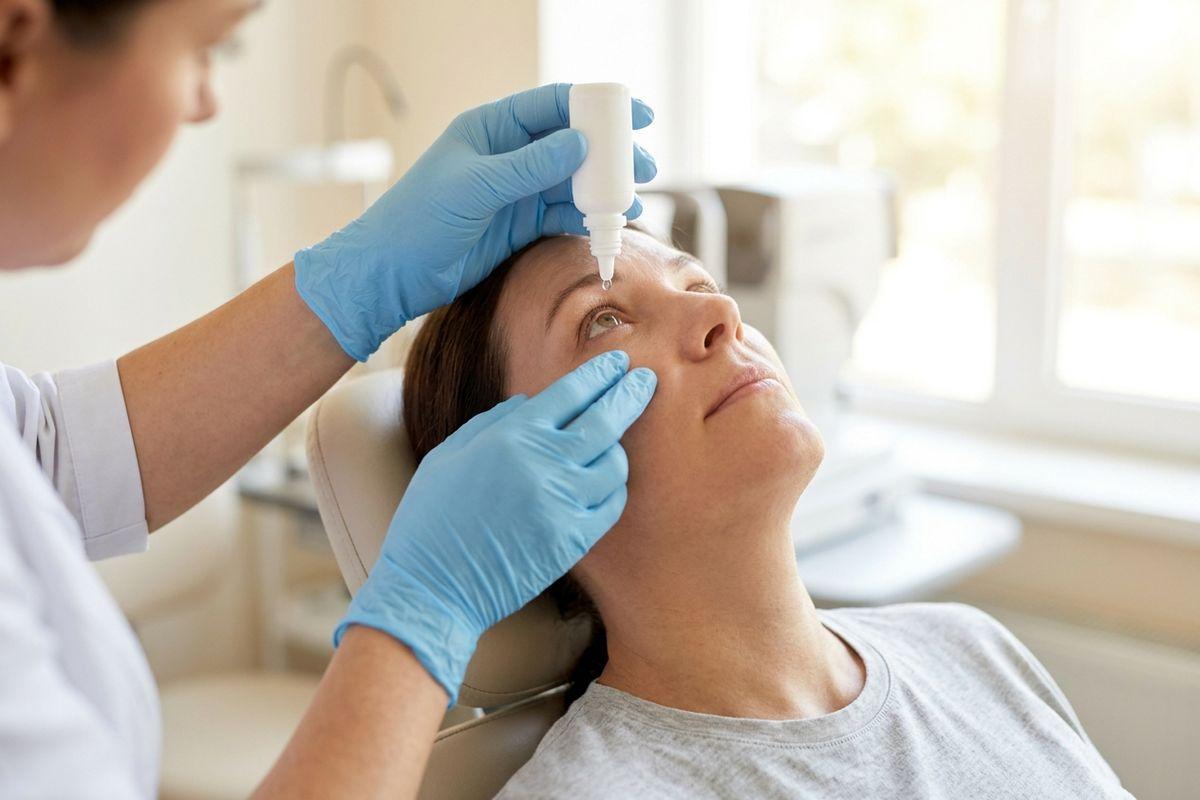
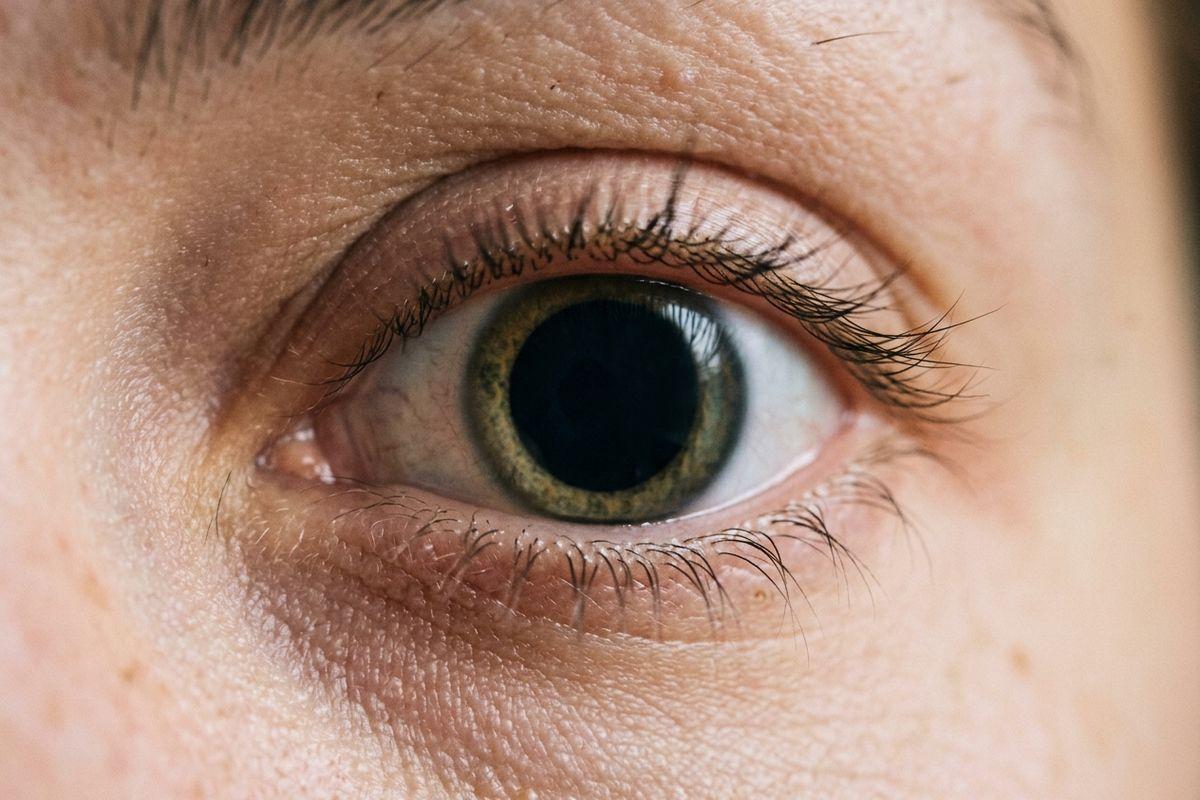
Dilating drops widen your pupils, which is where light enters the eye. A wider pupil lets in more light and gives your eye doctor a larger window to look through. With a wider view of the back of your eyes, your optometrist can better assess certain eye structures, which can be helpful in some situations, like diagnosing an eye disease.
What Your Eye Doctor Can Check with Dilated Eyes
Eye Conditions
A dilated eye exam can help your optometrist assess the retina and optic nerve for signs of conditions such as age-related macular degeneration (AMD), retinal tears, diabetic retinopathy and glaucoma.
Health Changes That Show in Your Eyes
Your eyes can sometimes reveal signs of broader health conditions. Changes in the retina and its blood vessels may be associated with diabetes or high blood pressure, even when you have not noticed changes in your vision. If your optometrist sees something worth further evaluation, they may recommend assessment with your healthcare provider.
What to Expect
Before and During the Drops
Dilating eye drops are put in like regular eye drops, and they take about 15 to 30 minutes to take effect. Tell the eye doctor if you have allergies to eye drops or a family history of glaucoma.
How Dilation Feels
You may notice a few changes once the drops take effect. Many people notice that:
- Near vision looks blurry.
- Bright lights feel harsher than usual.
- Glare feels more intense.
How Long Dilation Lasts and Tips for Afterward
How Long Your Eyes Stay Dilated
For many adults, the effects begin to wear off within 4–6 hours, although they can last longer depending on the drops used. Your optometrist can give you a better idea of what to expect.
Driving, Work and Sunglasses
A little planning can help make the rest of your day easier. Not everyone will need to do all of these, but here are a few tips to help you stay comfortable:
- Bring sunglasses to prevent discomfort from light sensitivity.
- Ask your optometrist whether it is safe to drive after your exam. If your vision is blurry or light sensitivity makes it hard to see comfortably, arrange another way home.
- Plan a lighter schedule after your exam.
Who Needs Dilation and How Often
Your optometrist may recommend dilation based on your age, eye health, medical history, and risk factors. People with diabetes often need regular dilated eye examinations to check for diabetic eye disease. Dilation may also be recommended when symptoms or examination findings call for a closer look.
If dilation won’t work for you based on your schedule, talk to our team. Dilation isn’t always necessary, and we may be able to discuss alternatives or reschedule your dilated exam for a better day.
Schedule Your Visit
Ready to book? Schedule your comprehensive exam at See & Be Seen Eyecare in Liberty Village or Midtown, and our team can help you choose the right approach for your eyes.