
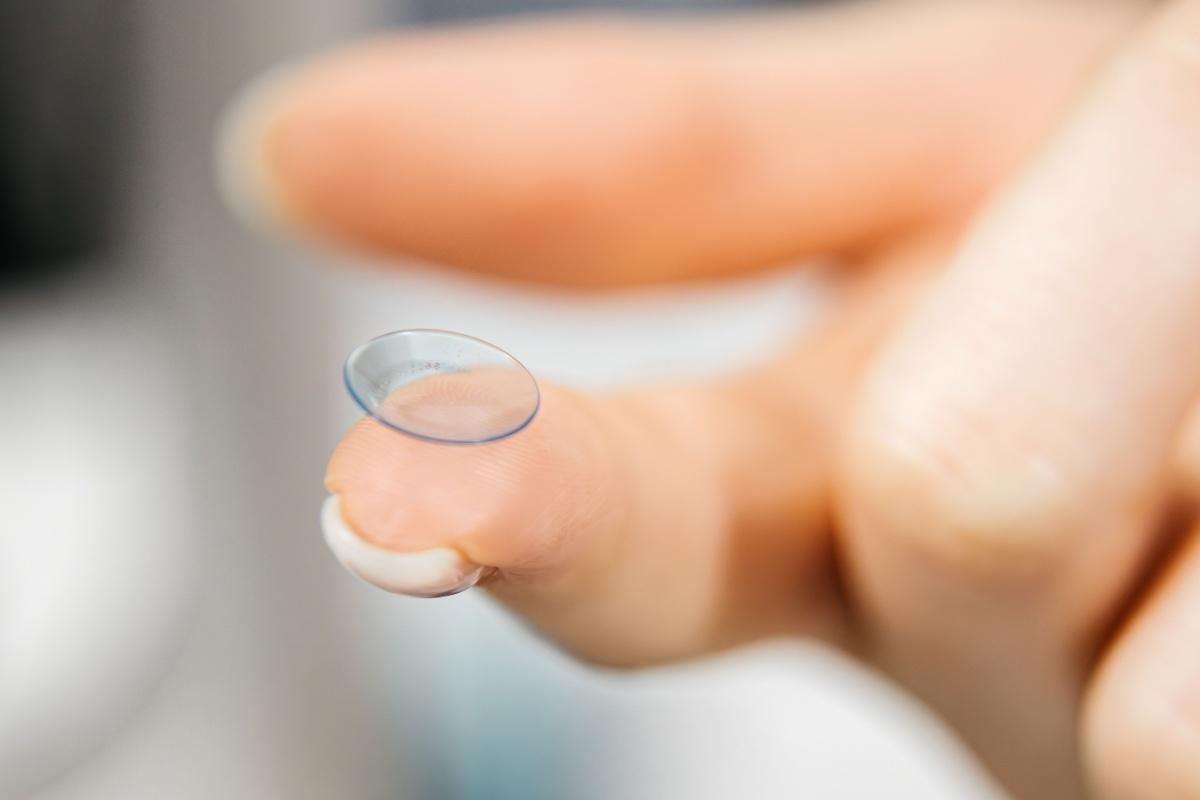
You slip your contact lenses in each morning without thinking twice about when you last replaced them. Maybe those “monthly” lenses have been in rotation for 6 weeks, or you’ve been stretching your daily disposables into a second day. Your eyes might feel fine now, but wearing contacts beyond their recommended schedule puts your vision and eye health at serious risk.
The replacement schedule depends entirely on your specific lens type: daily disposables are tossed every day, weekly lenses last exactly 7 days, and monthly contacts need replacement after 30 days of wear. Following these timelines protects your eyes from infections, maintains clear vision, and keeps your contacts comfortable throughout their intended lifespan. See & Be Seen Eyecare helps you understand proper contact care, and the team provides specialized contact lens fittings to match you with the perfect lenses for your lifestyle.
Daily, Weekly & Monthly Contact Lens Types
Daily Disposable Contacts
Daily disposable contacts give you a fresh, sterile pair every morning. You throw them away each night before bed, so you never need to worry about cleaning solutions, storage cases, or protein buildup that can cloud your vision.
These lenses reduce your risk of eye infections dramatically because bacteria and debris don’t have time to accumulate on the lens surface. Your eyes get a clean slate every day, which feels especially refreshing if you spend long hours staring at computer screens or dealing with dry eye treatment.
Weekly & Monthly Replacement Schedule
Weekly lenses stay in your rotation for exactly seven days, whether you wear them daily or just occasionally. Monthly contacts last for 30 days from the moment you first put them in your eyes, not for 30 days of actual wear.
Both types require a nightly cleaning routine with fresh contact solution. You’ll need to gently rub each lens to remove protein deposits and debris, then store them in clean solution overnight to keep them hydrated and sterile. Following proper wear and care guidelines helps maintain lens comfort and safety.
Warning Signs Your Contacts Need Immediate Replacement
Your eyes send clear signals when your contact lenses have overstayed their welcome. Watch for these warning signs that mean you need fresh lenses right away:
- Blurry vision that cleaning won’t fix
- Uncomfortable feeling or irritation
- Visible tears or protein buildup
When to See Your Eye Care Team
Some symptoms mean you need professional attention, not just fresh contact lenses. Remove your contacts immediately and schedule an appointment if you experience persistent redness after removing your lenses.
Eye pain, unusual discharge, or sudden changes in vision require prompt evaluation by an eye care professional. These symptoms can indicate serious complications that need treatment beyond simply replacing your contacts. If you experience any of these urgent symptoms, emergency eye care services can provide immediate assessment and treatment.
Risks of Wearing Contacts Too Long
Eye Health Complications
Overworn contact lenses become breeding grounds for bacteria that can lead to serious eye infections. These dirty lenses can lead to corneal ulcers, which are painful open sores on the clear front surface of your eye.
Old contacts also reduce the amount of oxygen reaching your cornea. Your eyes need oxygen to stay healthy, and when contacts block this flow, your corneal tissue can swell and become damaged. Learning about the health risks associated with contact lenses helps you make informed decisions about your eye care.
Digital Eye Strain Concerns
Hours of screen time make lens discomfort much worse, especially with overworn contacts. Your eyes blink less frequently when you’re focused on digital devices, which means your contacts don’t get the moisture they need to stay comfortable.
Old contacts trap more dust, pollen, and debris throughout the day. This buildup becomes especially noticeable when your eyes are already dry from staring at screens, creating a cycle of increasing discomfort. Professional digital eye strain treatment can help address these symptoms effectively.
Smart Storage & Care Tips for Longer-Lasting Lenses
Proper Cleaning Routine
Fresh contact solution every night helps your lenses last their full intended lifespan. Never reuse old solution or top off your case with new solution mixed with yesterday’s leftover liquid.
Gentle rubbing with your clean fingers removes protein deposits that naturally build up from your tears. Replace your contact case every 3 months because bacteria can grow in the tiny scratches that develop over time. For those dealing with persistent dryness, exploring specialized contact lenses for dry eyes can provide better comfort and wear time.
Environmental Factors That Affect Lens Life
Swimming, showering, or any water exposure can introduce harmful microorganisms to your contact lenses. Even clean tap water contains bacteria and parasites that can lead to serious eye infections.
Dusty conditions, windy weather, and makeup particles can all damage your lenses or make them uncomfortable before their scheduled replacement date. You might need to replace lenses early if you’ve been exposed to especially harsh environmental conditions or if you’re experiencing symptoms related to environmental dry eye factors.
Professional Contact Lens Fittings & Follow-Up Care
Why Regular Eye Exams Matter
Your prescription can change gradually over time, which affects how well your current contact lenses fit and focus. Regular adult eye exams catch these changes early, helping your contacts provide clear, comfortable vision.
Eye care professionals can spot early signs of problems during routine contact lens fittings that you might not notice yourself. The team evaluates how your lenses move on your eyes and checks for any signs of irritation or damage to your corneal surface. These comprehensive evaluations help detect conditions that might require specialized eye care beyond standard contact lens services.
Ortho-K Lenses & Specialized Options
Ortho-K lenses work differently from regular contacts because you wear them overnight for myopia management. These specialized lenses gently reshape your cornea while you sleep, so you can see clearly during the day without glasses or contacts.
These lenses follow completely different replacement schedules and require close monitoring by eye care professionals. The team tracks how well the lenses are controlling your prescription changes and helps your corneal health stay optimal throughout treatment. Ortho-K and specialty lens options provide innovative solutions for vision correction and myopia control.
Protect Your Sight with See & Be Seen Eyecare
Your contact lens replacement schedule directly impacts your eye health and visual comfort. Following the manufacturer’s guidelines and watching for warning signs helps you enjoy clear, comfortable vision while protecting your eyes from preventable complications.
The team at See & Be Seen Eyecare provides comprehensive contact lens fittings and ongoing care to help you find the perfect lenses for your lifestyle and visual needs. Schedule your contact lens consultation today for comfortable, safe vision correction tailored to your unique needs.