

Key Takeaways
- Low vision is vision loss that glasses, contacts, or surgery can’t correct.
- Some sight remains, so low vision isn’t total blindness.
- Legal blindness is a government classification, while low vision covers a wider range.
- Regular eye exams at See & Be Seen Eyecare can help catch changes early.
You pick up a menu in a dim restaurant, and the words blur no matter how you hold it. Or you pass a friend on the street and don’t recognise their face until they speak. At See & Be Seen Eyecare, our team in Liberty Village and Midtown hears stories like these from adults unsure what’s changing.
Low vision is vision loss that glasses, contacts, or surgery can’t correct, but some sight remains, which sets it apart from blindness. An eye exam at either Toronto clinic is a good place to start sorting out what you’re noticing.
Low Vision Defined in Plain Terms
Low vision means your sight has dropped to a level that standard corrections can’t fix. You still see, but not as clearly as you need to.
It can make daily tasks harder. Reading a label, writing a cheque, or recognizing faces across a room may take more effort than it used to.
Low Vision vs Blindness
Total blindness means no perception of light or form. That’s rare.
Many people with vision loss still have some sight, and that remaining sight matters.
Is Low Vision the Same as Legally Blind?
No. Legal blindness is a government classification, not a measure of how you function day to day.
It’s based on 20/200 vision or a visual field of 20 degrees. Low vision covers a wider range, so you can have low vision without meeting that definition.
Signs and Types of Low Vision
First Signs to Watch For
Changes can show up gradually. Here are signs worth noting:
- Blurry vision that glasses don’t clear up
- Trouble reading, even with good lighting
- Difficulty seeing at night or in glare
If these persist or worsen, book an appointment.
Common Types of Vision Loss
Low vision can look different from person to person. These are common types:
- Central vision loss, which brings blur or a blind spot in the middle of what you see
- Side vision loss, which can feel like looking through a tunnel
- Low contrast and light sensitivity
Conditions Linked to Low Vision
Low vision can be linked to several conditions. These are common ones:
- Age-related eye conditions like cataracts and age-related macular degeneration (AMD)
- Glaucoma
- Diabetes-related eye changes
- Eye injuries or conditions present from birth
Can Low Vision Be Corrected?
Regular glasses don’t bring back lost vision.
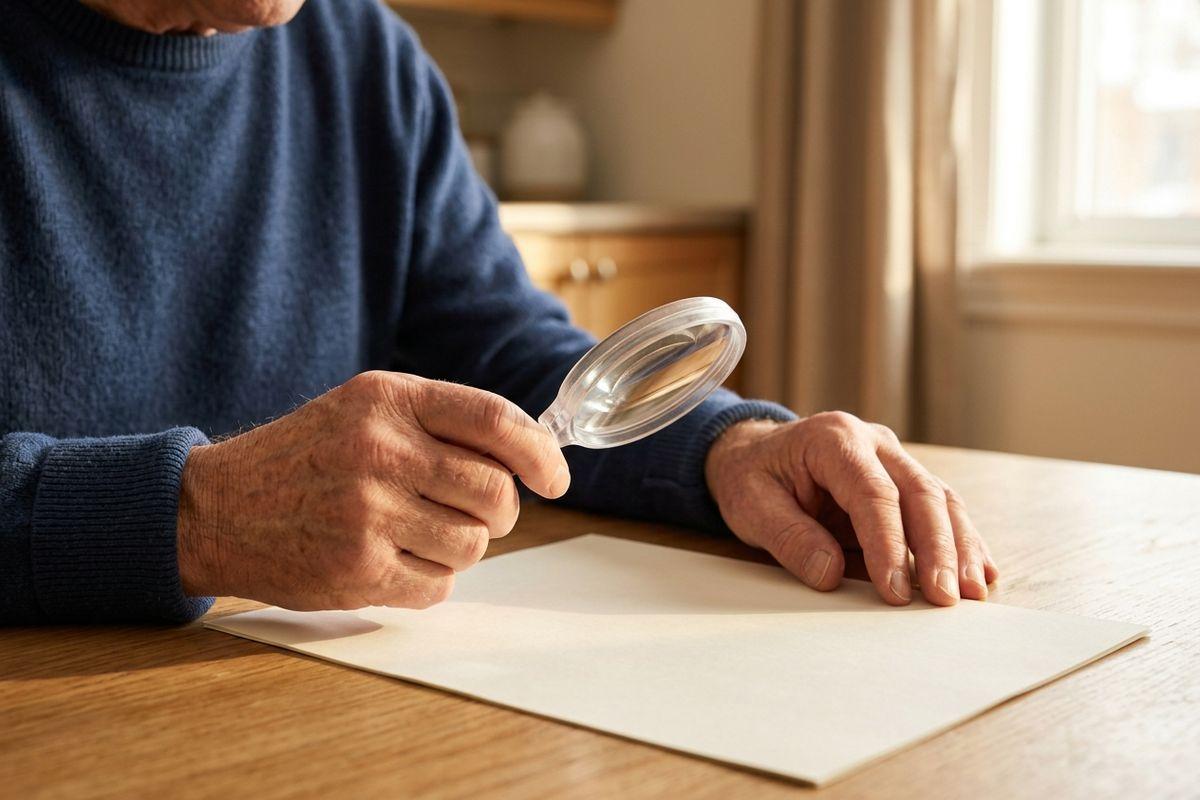
However, eye disease diagnosis and management can help protect the sight you have. Aids like magnifiers can also support daily tasks such as reading.
Eye Exams and Support in Toronto
Why Regular Eye Exams Matter
Adult eye exams at the Liberty Village and Midtown clinics check for changes before they affect your daily life. If your prescription has shifted, our team can update your glasses or discuss contact lens fittings.
Book Your Visit
A little preparation helps the visit go smoothly. Consider bringing:
- Your current prescription or recent records
- A list of the daily tasks that feel harder
Our team can then discuss next steps with you.
Come See Us
See & Be Seen Eyecare welcomes you at both Toronto locations. Book your adult eye exam in Liberty Village or Midtown today, and bring your questions along.