
Key Takeaways
- Morning eye puffiness is usually caused by fluid pooling while you sleep flat overnight.
- Salty food, alcohol, and poor sleep all make swelling worse.
- Cool compresses and gentle outward massage may help reduce puffiness quickly.
- Elevating your head and staying hydrated can help prevent it.
- Puffiness that lingers, causes pain, or comes with blurred vision deserves a closer look from an eye care professional.
Puffy Eyes in the Morning Are More Common Than You Think
You wake up, glance in the mirror, and your eyes look like you cried through the night. Even if you slept a full eight hours. It’s one of those small frustrations that can throw off your whole morning routine, and most people have no idea why it keeps happening. See and Be Seen Eyecare sees this concern come up often, and the reasons behind it are more straightforward than you might expect. Whether it’s a one-off morning or something that’s become a pattern, knowing what’s behind the puff can help you take the right steps. For persistent swelling that goes beyond a rough night’s sleep, a visit for a comprehensive adult eye exam can help identify what’s really going on.
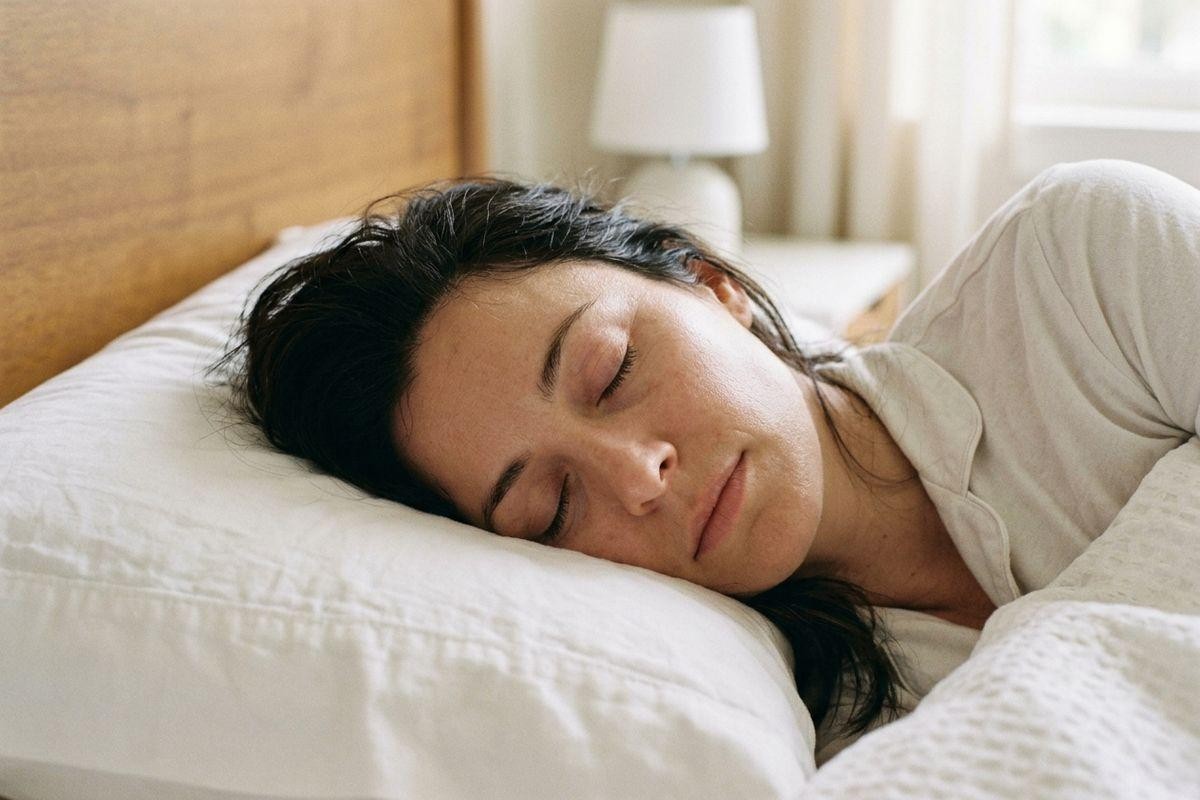
Morning eye puffiness happens because fluid collects around your eyes while you lie flat overnight, and the skin around your eyelids is thin enough that even a small amount of swelling shows up clearly. The good news is that for most people, it fades within a couple of hours of being upright and moving around.
What Is Actually Causing the Puffiness
Your Sleep Position and Habits
When you’re lying flat, your body doesn’t move fluid away from your face as efficiently as it does when you’re upright. Fluid settles into the soft tissue around your eyes. Add a night of restless or poor-quality sleep into the mix, and circulation slows even more, which means that fluid sits there longer.
What You Ate or Drank the Night Before
That late-night takeout or extra glass of wine might be the culprit. Salty foods prompt your body to hold onto water, and that retained fluid often shows up around your eyes by morning. Alcohol works differently but can lead to a similar result. It dehydrates you, and your body responds by clinging to whatever water it has left.
Allergies and Other Factors
Dust mites, pollen, and even your pillowcase can contribute to inflammation around the eyes overnight. If you tend to wake up puffy along with sneezing or itchy eyes, allergens may be playing a bigger role than you think. Crying before bed is another common factor. Tears leave a salty residue on the eyelids that draws in fluid while you sleep.
A Simple Morning Routine to Reduce Puffiness Fast
Cool It Down First
Cold helps constrict blood vessels and move fluid away from the area quickly. Press a cool, damp cloth or a chilled eye mask gently against your eyes for a few minutes right after waking up. Skip the ice directly on your skin. The eyelid area is too delicate for that kind of direct cold contact. If you’re dealing with ongoing irritation alongside the puffiness, heated and cooling eye masks designed specifically for eye care can offer more targeted relief than a standard cloth.
Gentle Drainage Technique
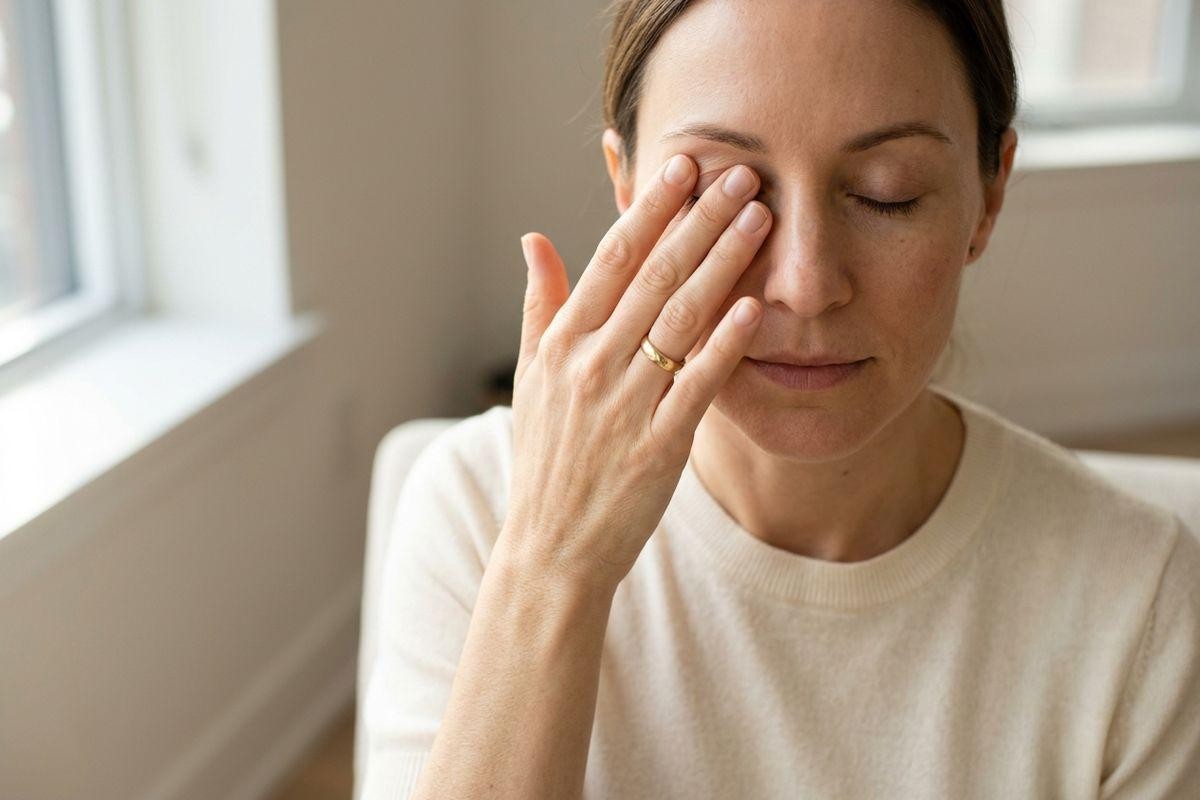
A light touch goes a long way here. Using your ring finger, start at the inner corner of your eye and sweep outward toward your temple. Keep the pressure feather-light, no pressing or pulling. Five to ten sweeps per side is enough to encourage fluid to drain away from the eye area naturally.
Habits That Help Prevent Puffy Eyes
Small changes in your evening routine can make a real difference by morning. None of these take much effort, but they add up over time.
- Sleep with your head slightly elevated on an extra pillow to discourage fluid from pooling.
- Drink enough water through the day and cut back on salty snacks and alcohol in the evening.
- Wash your pillowcases at least once a week to keep allergen buildup from irritating your eyelids overnight.
If dry, irritated eyes are adding to your morning discomfort, at-home dry eye remedies can also help bridge the gap between daily habits and professional care.
When Puffy Eyes Signal Something More
Signs Worth a Closer Look
Occasional morning puffiness is normal. But if your eyes are swollen most mornings, feel tender, look red, have discharge, or the puffiness is paired with blurred vision or ongoing irritation, that’s worth taking seriously. These aren’t just cosmetic concerns. They can point to something happening with your eye health that needs attention. Learning how to manage swollen eyelids and when to seek care can make a meaningful difference in how quickly you get relief.
Conditions Linked to Chronic Eye Swelling
A few conditions are commonly connected to persistent eyelid swelling and discomfort.
- Blepharitis is an eyelid inflammation that causes redness, crusting, and irritation along the lash line, and it typically needs targeted eyelid therapy to manage properly.
- Dry eye involves ongoing dryness and irritation that often feels worse in the morning after hours without blinking, and options like IPL and RF dry eye therapy can help address the root cause.
- Thyroid-related conditions and allergies can also affect the tissue around the eyes, leading to swelling that doesn’t follow typical morning patterns.
At See and Be Seen Eyecare, the team takes a thorough approach to eye health at their Liberty Village and Midtown Toronto clinics, from dry eye treatment and blepharitis treatment to full adult eye exams and children’s eye exams. If your morning puffiness feels like more than just a bad night’s sleep, booking an adult eye exam or dry eye consultation can help you get a clearer picture of what’s going on and what your options are.